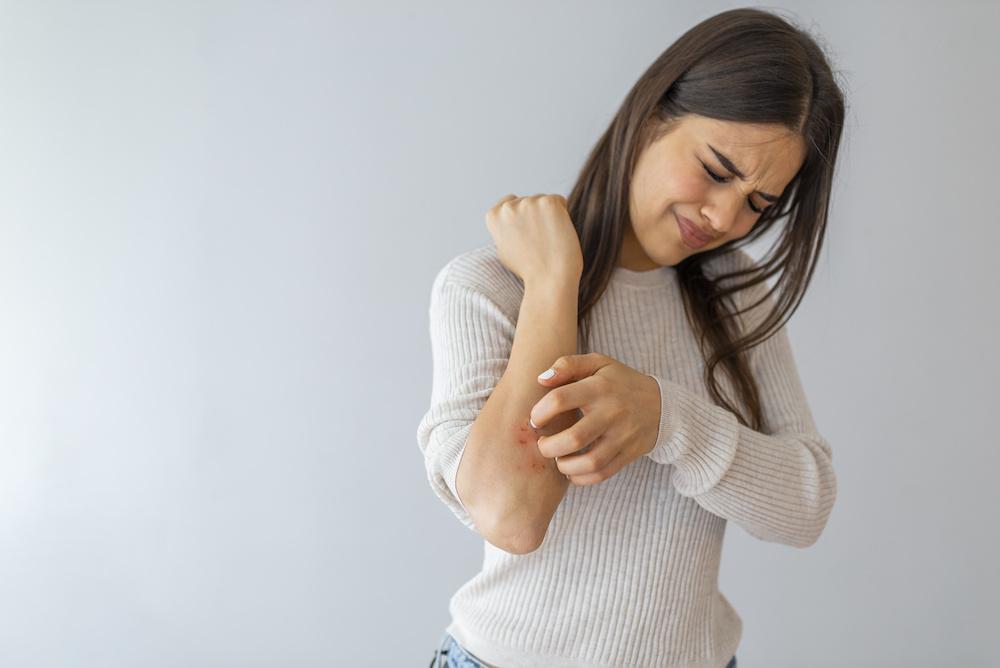
Winter weather can be especially challenging when you have eczema or chronically dry skin. Cold outdoor temperatures, low humidity, and indoor heating strip away moisture from your skin, leaving it itchy, irritated, and uncomfortable.
When moisturizers and prescription creams don’t provide enough relief, narrowband UVB phototherapy at Balcones Dermatology & Aesthetics in Austin, Texas, may offer another way to manage stubborn eczema symptoms.
Board-certified dermatologist David A. Bushore, MD, FAAD, provides comprehensive eczema care, including diagnostic skin evaluations. Dr. Bushore develops personalized treatment plans to reduce inflammation and relieve itching, which helps you maintain healthier skin throughout the winter and beyond.
Why does eczema get worse during winter?
Eczema is a chronic inflammatory skin condition that disrupts your skin's protective barrier, which makes it more difficult to retain moisture and defend against environmental irritants.
Winter introduces several factors that can aggravate eczema symptoms, including:
- Cold, dry air: Low humidity increases moisture loss, contributing to dryness, flaking, and irritation.
- Indoor heating: Heated air can further reduce humidity and leave your skin feeling tight and itchy.
- Hot showers: Long, hot showers remove natural oils that help protect your skin.
- Winter clothing: Wool and certain synthetic fabrics can irritate sensitive skin and trigger itching.
These factors create a frustrating cycle of dryness, scratching, and inflammation. For some people, even consistent moisturizing and topical medications aren't enough to control recurring eczema flare-ups.
How does narrowband UVB phototherapy relieve eczema?
Narrowband ultraviolet B (UVB) phototherapy is a noninvasive treatment that uses a specific wavelength of ultraviolet light to reduce inflammation in the skin.
Unlike sunlight, which contains multiple wavelengths of ultraviolet radiation, narrowband UVB therapy delivers carefully controlled light exposure to affected areas.
The treatment triggers activity in your immune system, helping calm the inflammatory response in your skin that’s responsible for eczema symptoms.
Potential benefits of narrowband UVB treatment include:
- Reduced skin itching and irritation
- Less inflammation and scaling
- Improved appearance of eczema-affected skin
- Fewer or less severe flare-ups
- Reduced reliance on certain topical medications
Phototherapy doesn't cure eczema, but it can provide lasting symptom relief, especially when conventional treatments don’t work well.
What can you expect during phototherapy treatments?
Board-certified dermatologist David A. Bushore, MD, FAAD, performs narrowband UVB phototherapy in a controlled medical setting using specialized equipment.
During treatment, Dr. Bushore exposes your skin to a prescribed dose of UVB light for a short period. He determines the appropriate exposure based on your skin type, condition, and response to treatment.
A typical treatment plan involves three sessions per week for approximately two months. Maintenance sessions may be necessary to help manage recurring symptoms.
Although many people tolerate phototherapy well, temporary redness, tenderness, or irritation can occur. Our team monitors your response and adjusts treatment as needed to minimize risks.
Protecting your skin between treatments
Phototherapy works best in combination with a consistent skin care routine. During winter, help protect your skin by practicing eczema management tips, like:
- Choose thick, fragrance-free moisturizers and apply them immediately after bathing
- Keep showers short and lukewarm
- Use gentle cleansers
- Consider running a humidifier to counteract dry indoor air
- Wear soft, breathable fabrics to reduce irritation
Board-certified dermatologist David A. Bushore, MD, FAAD, continues to track the results of your treatment to ensure your skin is cared for and healthy.
Find relief from persistent winter eczema
You don't have to spend the winter struggling with relentless itching and irritated skin.
If your eczema continues to flare despite home care and topical treatments, narrowband UVB phototherapy may be worth exploring.
Contact Balcones Dermatology & Aesthetics in Austin, Texas, or schedule an appointment online to learn whether narrowband UVB phototherapy can help you achieve lasting eczema symptom control.